The valley of Hasdshit Qannoubine – The hermitage of St Bahnam

Wadi Qannoubine, Lebanon

Other Details

محبسة مار بهنام

Ouadi Qannoubine

Bcharre

North

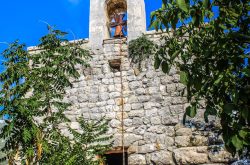
محبسة مار بهنام - وادي حدشيت قنوبينمحبسة قديمة من القرن الثالث عشر، وهي قبو بعقد سريريّ وثلاث حنايا. تحتوي المحبسة على بقايا رسم جداريّ وكتابةً سريانيّة، ومذبح مصنوع حجريّ. أمّا مار بهنام فهو أميرٌ فارسٌ من بلاد ما بين النهرين، ترك كلّ ما له وفضّل الإستشهاد في سبيل المسيح على ترك إيمانه، نال إكليل الشهادة في القرن الرابع. واتصلت شفاعته بالموارنة من خلال الرهبان اليعاقبة في شمال لبنان.The hermitage of St Bahnam - The valley of Hasdshit QannoubineIt is an old XIIIth century hermitage, that consists of a single crib vault ending with three apses, with a stone altar, fresco remains and Syriac calligraphy. St Bahnam was a prince from Assyria, who preferred to leave his privileged life for the love of Christ, and he preferred martyrdom over recanting his Christian faith in the IVth century. He was made known to the Maronites by the Jacobite monks of Northern Mount Lebanon.

Visited 3927 times, 2 Visits today
Reviews are disabled, but trackbacks and pingbacks are open.

Related Listings

Haqel – The church of our Lady of Almonds

Saint Mary -Haqel -Lebanon, 3arbit saydder, Haqel, Lebanon

كنيسة سيّدة اللوزة

Haqel

Jbeil

Mount Lebanon

كنيسة سيّدة اللوزة – حاقل

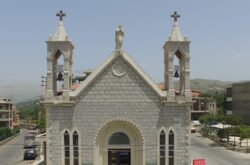
يعود بناء الكنيسة إلى القرن السابع للميلاد. البناء كناية عن عقدٍ سريريّ ينتهي بحنية. هي من أقدم الكنائس في لبنان، ويعود سبب تسميتها إلى رمزيّة اللوز في الكتاب المقدّس، فاللوزة هي أوّل شجرة تُزهر مُعلنة قدوم الربيع، وقد رأى الآباء في اللوزة رمزًا لإيمان مريم العذراء. كانت هذه الكنيسة منطلقًا للعلّامة إبراهيم الحاقلاني قبل ذهابه إلى روما سنة 1616، وللحاج سلهب الحاقلاني مؤسس دير سيّدة اللويزة – ذوق مصبح سنة 1682. تضمّ الكنيسة نقوشًا صليبيّة على الكلس، لوحة السيّدة من القرن السادس عشر، ونسخة أحدث عنها، مذبح أساسيّ رخاميّ يعود لسنة 1923، ومذبح خلفيّ خشبيّ.

The church of our Lady of Almonds - Haqel

The church was built in the VIIth century. The structure consists of a crib vault. It is one of the oldest churches in Mount Lebanon. The origin of the name Lady of Almond is Biblical, the almond tree being the first tree that blossoms announcing spring. Early Church fathers saw in the almond tree a symbol of the Virgin Mary. The church was the parish of Ibrahim Haqlany before he went to Rome in 1616, and the monk Salhab Haqlany founder of the monastery of Our Lady of Louaize Zouk Mosbeh in 1682. The church holds engravings dating back to the crusaders era, a XVIth century Marian icon and a latter replica, a main marble altar fron 1923, and a wooden altar at the end of the church.

Ibrin – The Holy Family’s convent

Holy Family Convent - Congregation of Maronite Sisters of the Holy Family, Aabrine, Lebanon

دير راهبات العائلة المقدّسة المارونيّات

Aabrine

Batroun

North

دير راهبات العائلة المقدّسة المارونيّات - عبرين

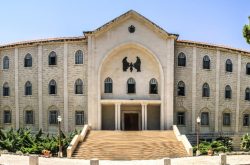
سنة ١٨٩٦ غادرت الأم المؤسِّسة لراهبات العائلة المقدّسة روزالي مع راهباتها من مدرسة بطرس شحادة في جبيل إلى عبرين لتداعي البناء وحاجته للترميم. وشاءت العناية الإلهيّة ان تتدبّر الأموال بيد المطران (البطريرك المكرّم) الياس الحويّك، لشراء بيت ومزرعة واكد الشيخاني في عبرين وتحويلها إلى دير ومدرسة، مع كنيسة ذات زجاجيّات مميّزة، وقبوٍ معقودٍ تحتها، هو مرقد البطريرك الآن. والقبو مزيّن بجداريّات يوسف الحويّك. أصبح دير العائلة المقدّسة الدير الأمّ للجمعيّة وأصبحت الراهبات تُعرفن براهبات عبرين.

The Holy Family’s convent - Ibrin

1896 was a pivotal year for Mother Rosaly the new superior general of the new Maronite congregation of the Holy Family, as the nun moved from Boutros Shehade’s school in Jbeil to the farm estate of Waked el Shikhany in Ibrin. In his diaries Bishop Elias Howayek (later Venerable Patriarch) relates how the money for the purchase was due to the Divine Providence’s intercession. Bishop Howayek transformed with the nuns the estate into a convent with a school and a beautiful church with stained glass windows, and a crypt with Youssef el Howayek’s frescoes (the only Lebanese art deco style paintings). The crypt is also the resting place of Patriarch el Howayek. Since its construction, the convent became the mother house of the Holy Family’s nuns and they are widely known as the Nuns of Ibrin.